A useful book, a thoughtful conversation, a new experience at work. Development happens in many ways—and a well-chosen resource can help you take the next step.
The Top 100 Series brings together ten ways to learn, organised for six professional audiences. Use the collections to broaden your options, connect learning with a real goal and build a development plan you can put into practice.
Development can start with resources already within reach. Many external resources can be accessed freely. Some books, courses and provider materials carry a cost; check access and current terms when choosing what to use. Our manual catalogue shows which titles are available and which are still being prepared.
TEN FORMATS. DIFFERENT OPPORTUNITIES.
Find a useful way into your next goal.
Select a format to explore what it offers and how to use it. A mix of approaches gives you more ways to understand, question and apply what you learn.
HR professional edition shown
Books
Build a fuller understanding.
Books give an idea room to develop. Explore the context, models and competing perspectives behind a subject, then return to the chapters most relevant to your work.
Make it useful this week
Choose one chapter linked to a current challenge. Write down one useful idea, one question and one action you could test.
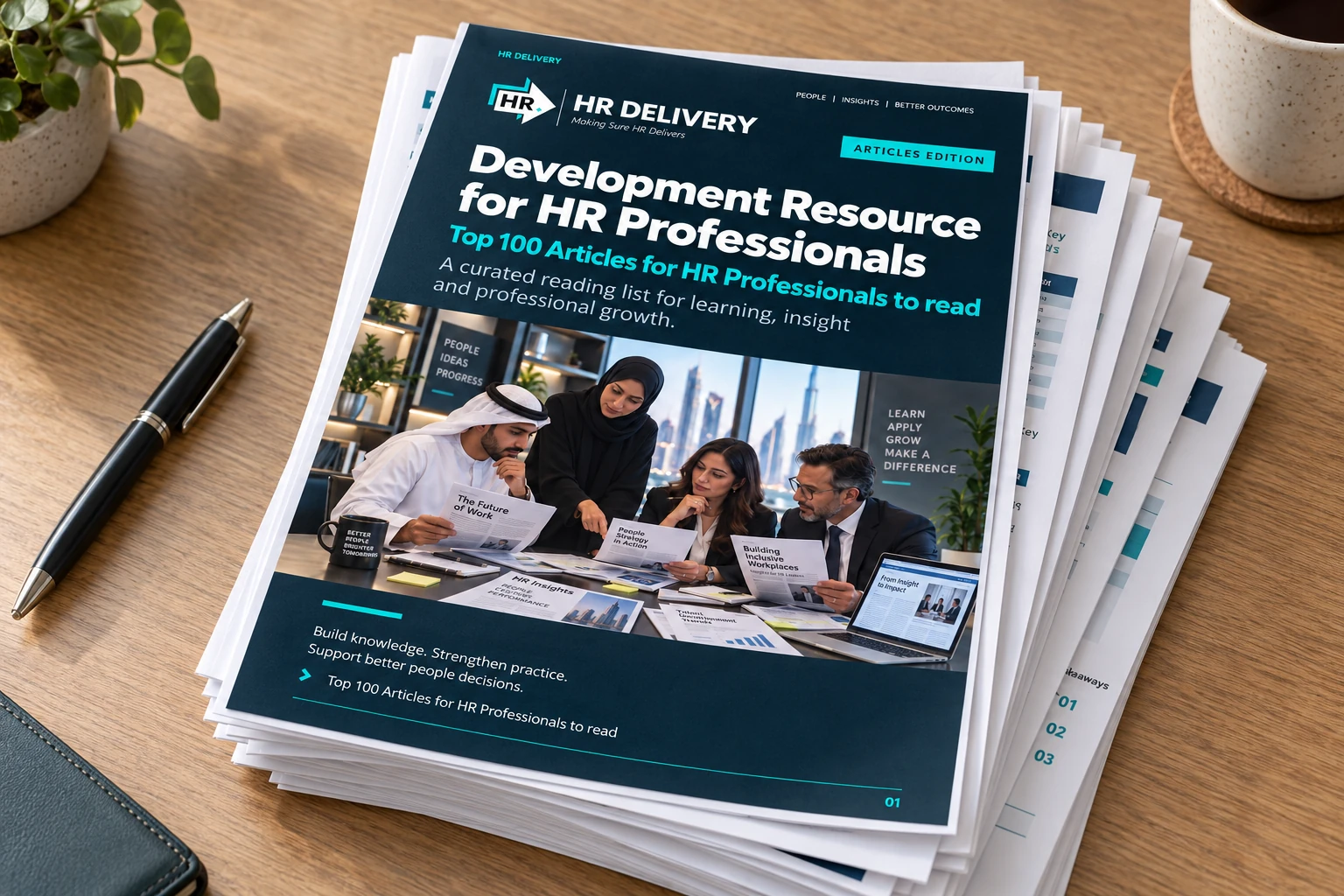
Articles offer a manageable way to examine a particular question. They can introduce a model, challenge an assumption or connect evidence with a practical issue.
Make it useful this week
Read an article with a real situation in mind. Compare its argument with your experience and discuss where it does, or does not, fit.
Professional websites bring together guidance, research, examples and tools. They can help you investigate a question and find organisations worth following over time.
Make it useful this week
Save a small set of relevant sources. Check who produced the material, its date and the evidence behind it before using it in a decision.
Podcasts make conversations, experience and professional debate accessible in an audio format. They are useful for hearing different perspectives and noticing questions you have not yet considered.
Make it useful this week
Choose one episode with a clear connection to your goal. Afterwards, capture one insight and a question to discuss with a colleague.
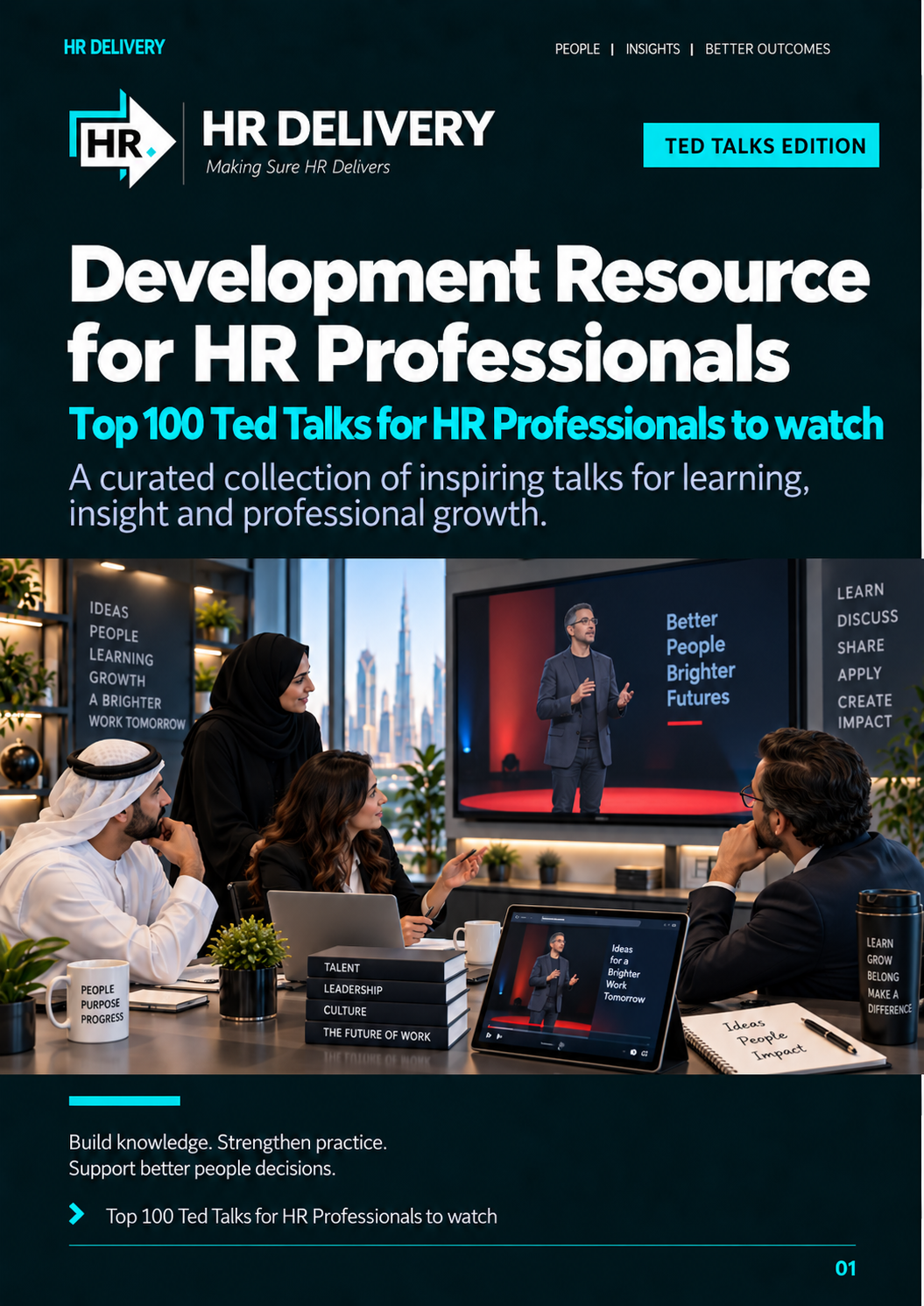
TED Talks can introduce an unfamiliar idea through an engaging story or presentation. Use them to prompt curiosity and discussion, then explore the evidence and context behind the message.
Make it useful this week
Watch one talk with your team. Ask what is useful, what needs questioning and what would have to change for the idea to work here.
YouTube channels can combine demonstrations, interviews and longer explanations. Seeing a process unfold can make an unfamiliar method easier to understand before you practise it.
Make it useful this week
Choose a credible presenter and a specific task. Pause the video, try the step yourself, and compare what happened with the demonstration.
Development activities turn intentions into experience. A stretch task, observation, peer exchange or small workplace experiment can create opportunities to practise and receive feedback.
Make it useful this week
Agree a manageable activity and what you want to learn. Involve someone who can observe, then review the outcome and your next adjustment.
Courses can provide a sequenced introduction or a more sustained development experience. The most useful choice connects relevant content with opportunities to practise and apply it.
Make it useful this week
Before enrolling, check the level, format, time commitment and cost. Plan how you will practise the learning at work and who will support you.
Mailing lists and newsletters can bring new research, ideas and resources into a regular learning routine. A small, purposeful selection is easier to use than an overflowing inbox.
Make it useful this week
Subscribe to one or two relevant sources and set a short review time. Save useful material by subject and unsubscribe from what no longer helps.
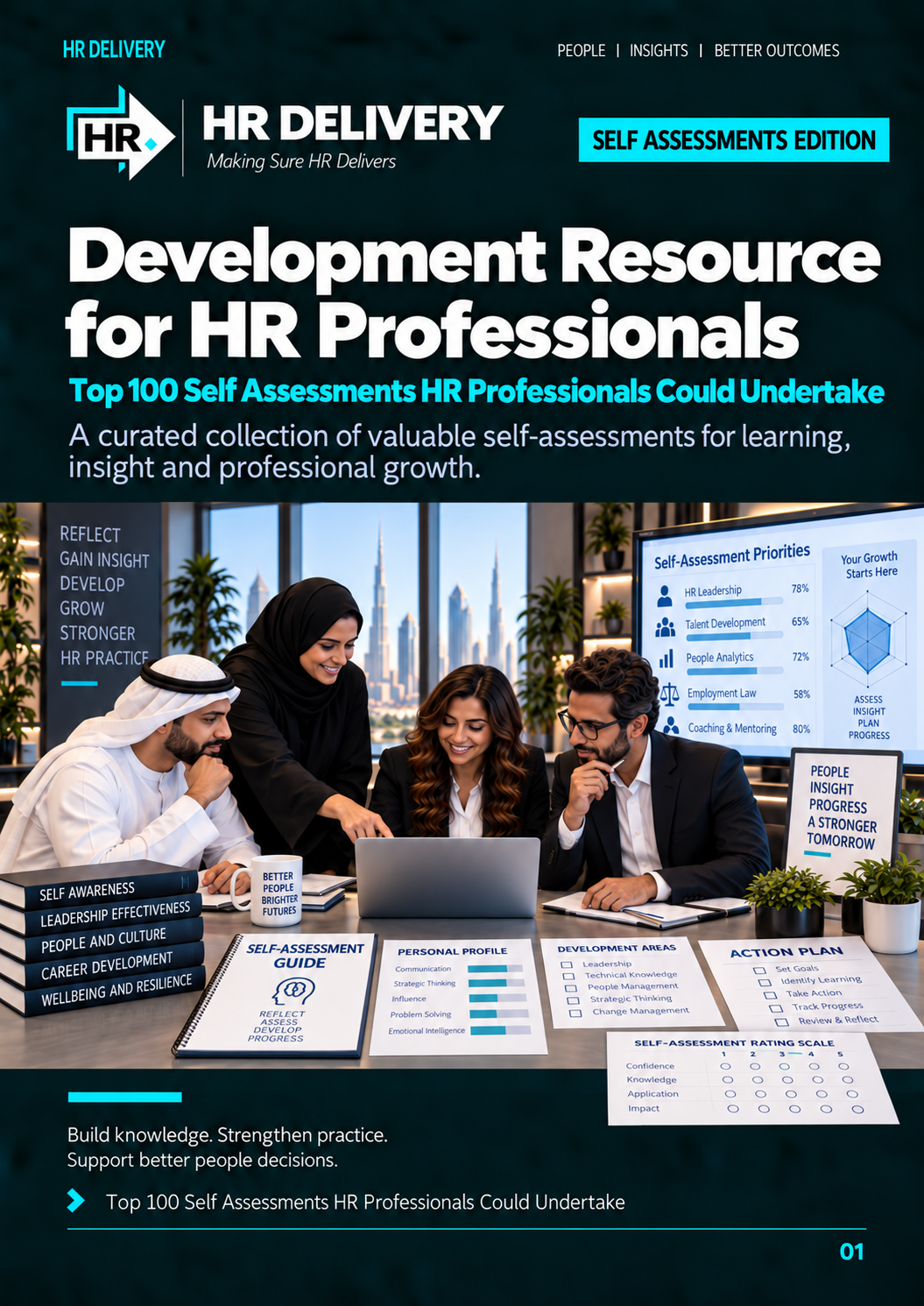
Self-assessments provide a structured prompt to consider your habits, preferences or development needs. Their value grows when you connect your responses with real examples and feedback.
Make it useful this week
Use the Learning Preference Questionnaire below as a starting point. Compare the results with experience, then try a broader mix of learning approaches.
The Learning Preference Questionnaire (LPQ) helps you reflect on the approaches you tend to favour when learning something new.
Across 32 ranked item sets, you consider statements about learning and explore four preferences: Action, Reflective, Theoretical and Practical. Use the profile to start a development conversation and make more deliberate choices about your learning.
Complete the questionnaire here, then immediately view or download your personal report, including resource recommendations to support your development.
32 ranked sets · Four learning preferences · A starting point for reflection
01
Action
Participate, experiment and get involved.
02
Reflective
Observe, compare and consider experience.
03
Theoretical
Understand ideas, principles and connections.
04
Practical
Explore how an idea can be put to use.
Preferences open possibilities.
They are not fixed abilities or labels that determine how you must learn. Your goal, the task and opportunities for practice and feedback matter. Try different approaches and review what actually helps.
MAKE YOUR DEVELOPMENT INTENTIONAL
One goal. A varied learning plan.
01
Choose a real goal
Name one thing you want to do better in your role.
02
Mix your resources
Combine something familiar with a less familiar approach.
03
Try it in practice
Turn one idea into an action and ask for feedback.
04
Review and adjust
Notice what changed and choose your next useful step.