

606 pages / PDF
Executive Coaching Toolkit / specialised companion
The established 6A executive-coaching collection offers 160 coaching tools. It complements this wider coaching-and-mentoring programme toolkit.
View PDFD6 / Talent development
Choose the right developmental relationship, agree its boundaries and turn the conversation into purposeful action. This 104-tool practitioner suite connects coaching, mentoring and workplace application without confusing their distinct roles.
D6 / Coaching and Mentoring Toolkit
Begin with a real work question and a choice of support. Use the three Coaching and Mentoring Framework outputs to agree programme purpose, relationship boundaries and workplace application. The 6A coaching model and DIR-2.0 diagnostic remain distinct source systems.
For HR and OD practitioners, coaches, mentors, line managers, sponsors and programme owners.
Your working library
Explore the complete toolkit, then use the supporting document alongside the guides and examples.


Complete practitioner toolkit
The 230-page practitioner edition contains 104 distinct procedures, matching worked records and an eight-page illustrative case. It helps the programme owner decide when to coach, mentor, train, manage or refer.
Open the complete toolkit112 pages / PDF
112 pages of reusable records, each matched to a numbered procedure. Keep private conversation content separate from proportionate programme evidence.
View supporting document606 pages / PDF
The established 6A executive-coaching collection offers 160 coaching tools. It complements this wider coaching-and-mentoring programme toolkit.
View PDFPDF resources are in English. Read on screen: Actual view on desktop and full width on mobile.
The thinking behind the tools
The Coaching and Mentoring Framework has three outputs: purpose-led programme design, relationship agreements and a workplace application plan. The 6A model adds coaching-specific duties from Align through Assure. Mentoring also needs experience transfer, agency and access.
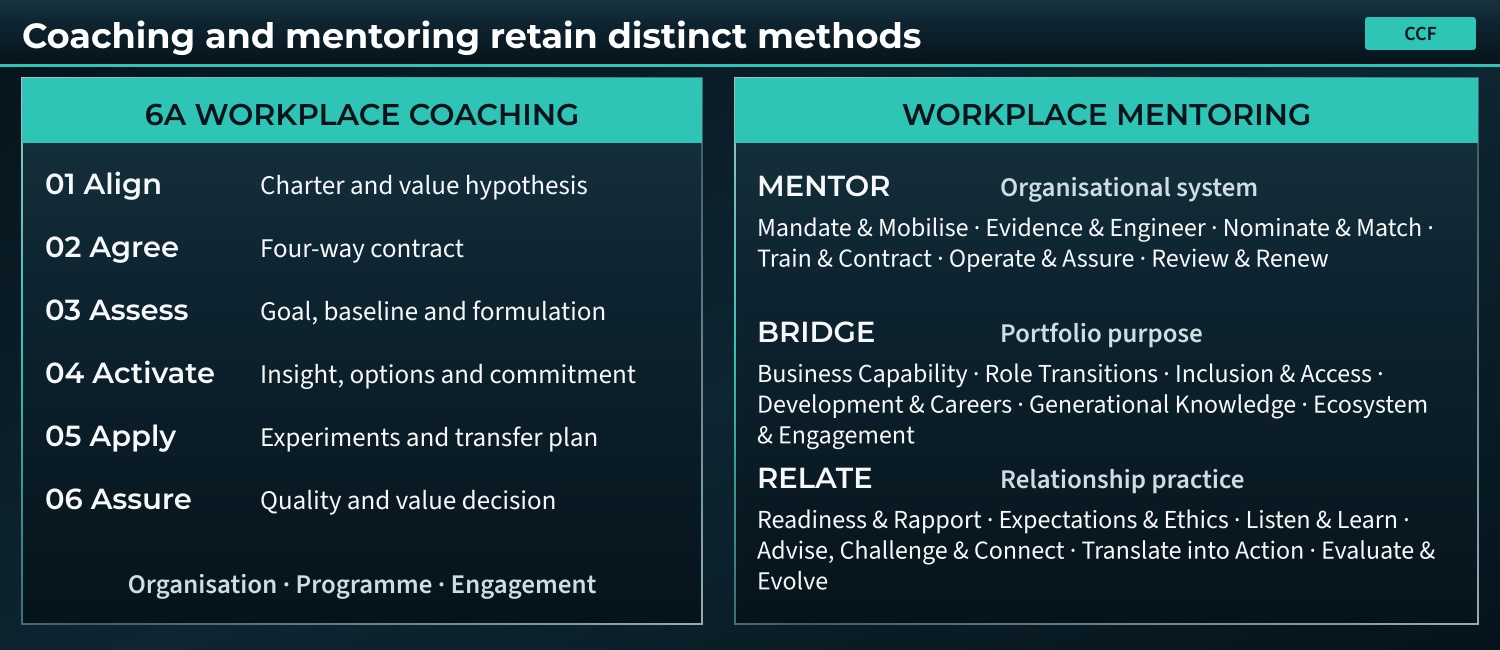
Discover, Diagnose, Design, Deliver and Review are navigation for the toolkit. They do not rename the framework outputs or 6A model. The diagnostic examines 18 programme dimensions through 72 survey items and other evidence; survey signals are not individual ratings.
Explore the interactive frameworkRead & diagnose
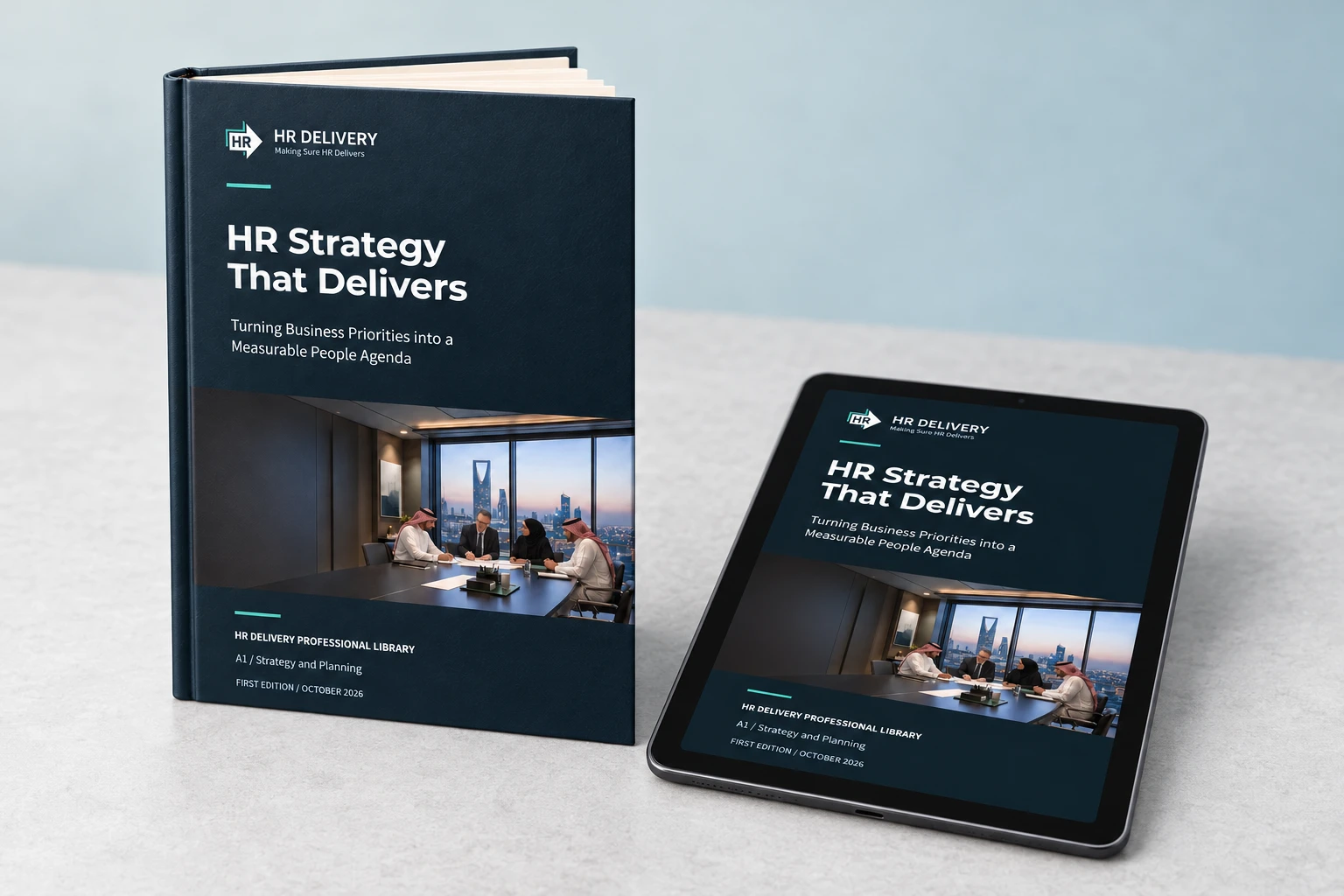
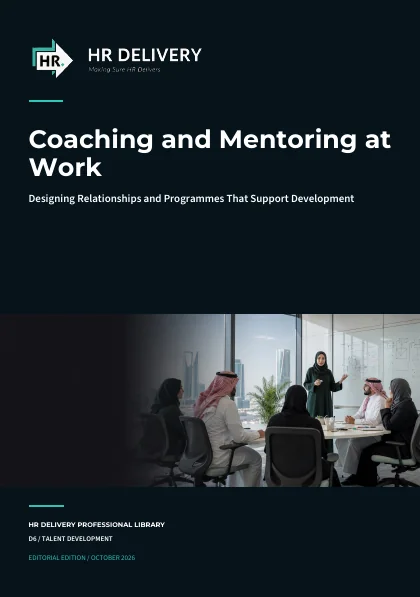
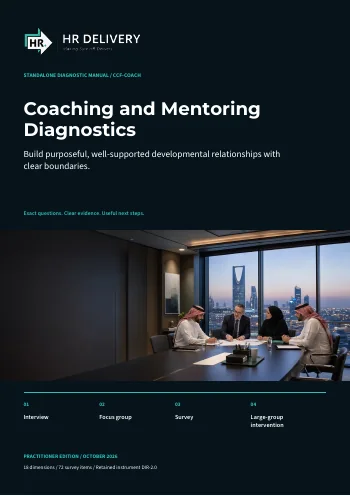
The 164-page DIR-2.0 diagnostic manual tests programme practice across 18 dimensions. The 131-page D6 ebook develops the wider case for coaching and mentoring at work. The existing Executive Coaching Toolkit is a specialised companion.
Ebook
A 131-page exploration of purposeful developmental relationships, experience transfer and learning in work.
View PDF
Diagnostic manual
The 164-page DIR-2.0 manual: 18 programme dimensions, 72 survey items and four evidence methods.
View PDFClient guide
The published framework outputs and their relationship to programme design.
View PDF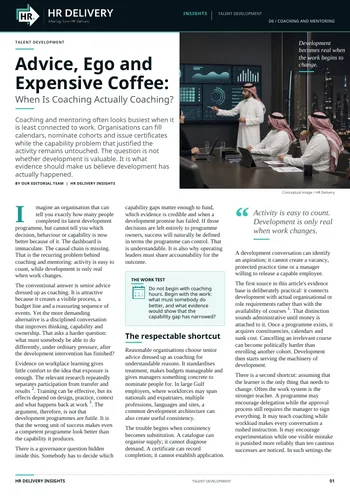
Long-read article
A D6 long read on where coaching can add value and where it can drift into performance theatre.
View PDFShort insights
A practical starting point
Define the work question, participant choice, sponsor responsibilities and whether coaching or mentoring is appropriate.
Use the CCF-COACH diagnostic and actual work cases; separate evidence from assumption and respect privacy.
Match, contract and support the relationship, then select a realistic workplace experiment or experience.
Look at participant experience, practitioner practice, observed work change and alternative causes before deciding what follows.
Work with HR Delivery to turn the evidence and tools into a response suited to your organisation.
Continue the connection